
Effective Communication – Communication Skills
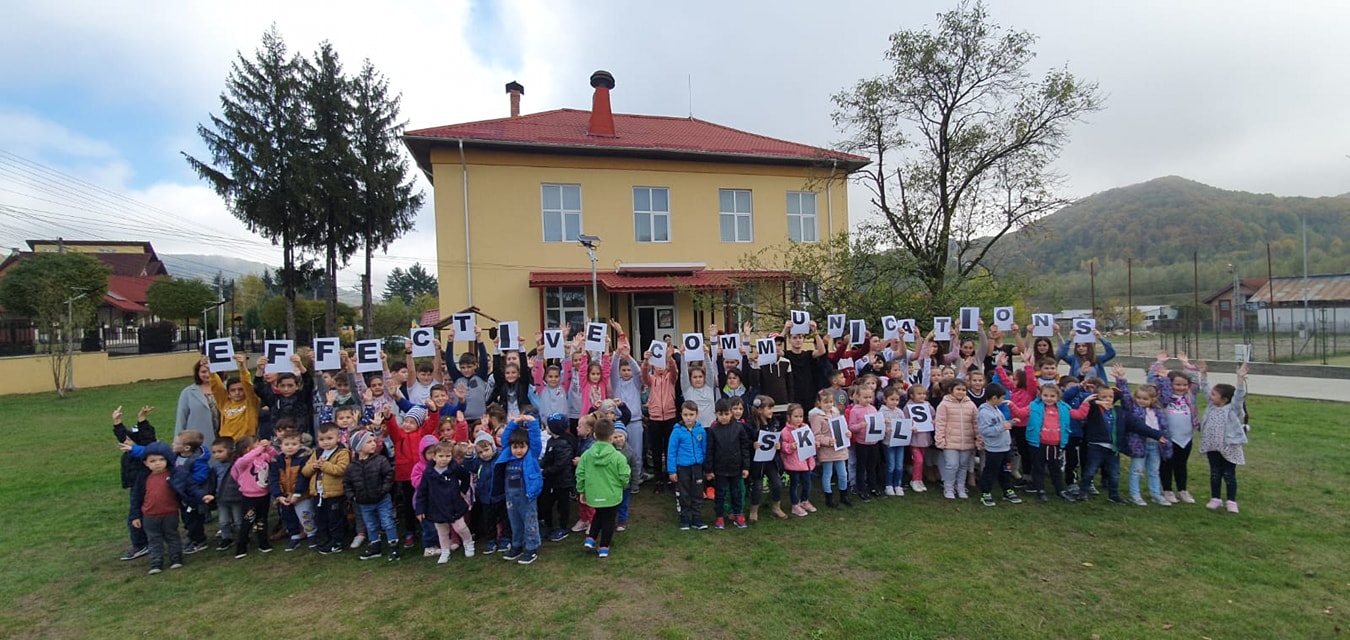
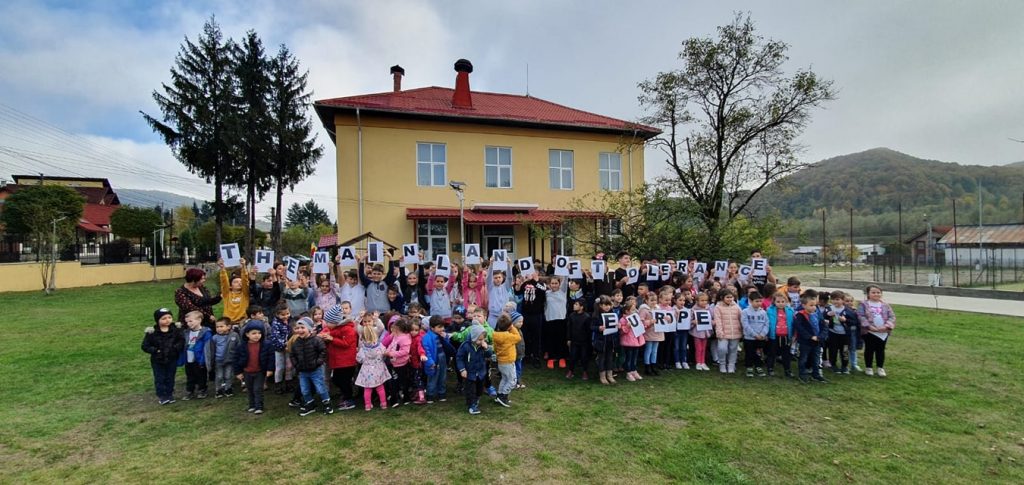
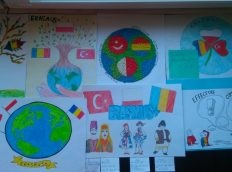
This project will unite 5 European schools from Poland, Croatia, Macedonia, Romania and Turkey.
Good communication is at the heart of our social relationships and leads to an increased tendency towards acts of kindness and consideration, making people more inclined to offer their help and support.
Communication skills are also a prerequisite for the successful inclusion of teenagers of different ages and from different socio-cultural backgrounds.
It is becoming increasingly important that students are familiar with how, when and where to express opinions and address people of differing social standings in varying circumstances.
A strong grasp of these key skills will prove to be essential in their search for fulfilling employment in a century where human connections are becoming increasingly vital.
The project team acknowledges the value of providing students with an education that places a high value on the development of good communication skills as a means to vastly improve their employment opportunities.
The main aim of this project is to significantly contribute to this process.
The specific project objectives are:
The project team acknowledges the value of providing students with an education that places a high value on the development of good communication skills as a means to vastly improve their employment opportunities.
The main aim of this project is to significantly contribute to this process.
The specific project objectives are:
– to raise awareness about communication and its problems among 250 students coming from 5 EU schools over a two-year period
– to observe the communication process among students from 5 EU schools
– to enhance students communication skills through the exchange of personal and cultural experiences in a variety of key areas. Such as presentation skills, cross-cultural communication, public speaking, and inter-cultural communication
– to encourage students to use ICT to increase the impact and reach of their communications.
The project was designed to incorporate the following four sub-stages:
– Verbal & Non-verbal Communication
– Barriers to Communication
– Visual Communication
– Digital Communication.
These sub-stages will help us produce the following concrete results:
– questionnaires
– Erasmus+ corners
– logo of the project
– presentations of the project partners
– 1 silent theatre play